Aurora decision

Aurora-first Rovaniemi trips: what can go wrong

Aurora planning needs darkness, cloud checks, backup nights, and daytime value; one-night promises are weak even in the right season.
Reviewed 2026-06-08
Source checked 2026-06-07
Use Planning check
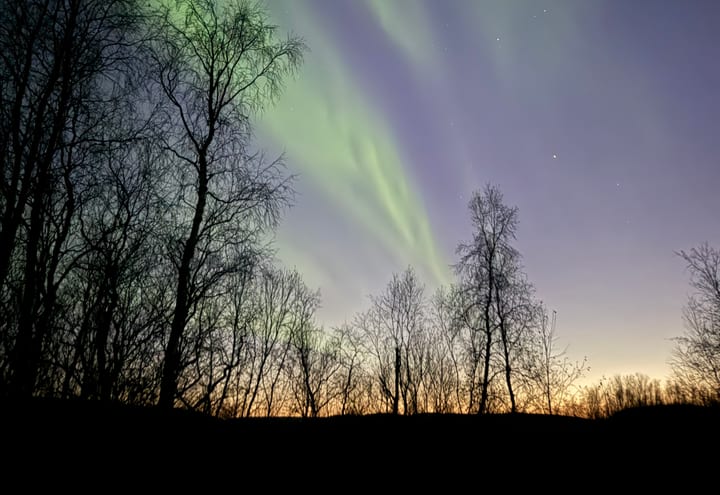
Aurora over a Nordic tree line used as Rovaniemi aurora planning context

The decision

Choose an aurora-first Rovaniemi trip only when you can build multiple chances and keep the daytime plan worthwhile.

The northern lights are not a product that can be booked into certainty. Rovaniemi can be a good base, but the plan has to survive weather and cloud risk.

A strong aurora trip still gives the traveler a good Lapland day if the sky does nothing at night. That is the difference between a real plan and a fragile promise.

Best when

  • dark-season trips
  • flexible winter stays
  • travelers with backup nights

Watch for

  • cloud cover
  • single-night stays
  • summer assumptions
  • late arrival tours
Booking shape

Make the itinerary fit the decision.

These checks keep the page practical: what to book, what to verify, and what to do when live facts break the original plan.

Book this way

  • Use at least two possible aurora nights when the trip is sold around northern lights.
  • Keep a strong daytime reason to be in Rovaniemi so weather does not ruin the whole stay.
  • Avoid promising aurora from an arrival night unless pickup, clothing, meals, and forecast timing already work.

Verify first

  • Dark-season fit for the selected month and realistic night length.
  • FMI cloud, weather, and aurora space-weather signals close to travel.
  • Operator cancellation terms and pickup timing for each aurora attempt.

Fallback plan

  • Convert one aurora night into a flexible winter evening and keep the next night open.
  • Shift the trip framing from a promised sighting to Lapland winter plus aurora chances.
Trip architecture

Build the day around the real constraint.

These rules turn the decision into a usable itinerary shape before accommodation, transfers, and paid activities lock the traveler in.

Trip shape that works

An aurora-first Rovaniemi plan is credible only when the trip has more than one night of optionality and a daytime reason to be there.

Keep

  • Two or more possible aurora evenings, with the strongest attempt placed after arrival logistics are stable.
  • A daytime itinerary that still feels like Lapland if cloud cover blocks the sky at night.
  • Live weather and aurora checks close to travel, paired with operator terms that explain what changes when conditions are poor.

Avoid

  • A one-night stay sold mainly around northern lights without a backup night or reframed expectation.
  • A summer or bright-season itinerary described as aurora-first when darkness is not doing the required work.

Sequence

  1. Before booking

    Check that the month supports darkness and that the trip has enough nights to absorb cloud or weak activity.

  2. Before paying operators

    Read cancellation, rebooking, pickup, clothing, and return-time terms as carefully as the aurora description.

  3. During the stay

    Use FMI weather and aurora signals to decide which night should carry the strongest attempt.

Decision forks

When facts change, change the plan.

Rovaniemi trips fail when live facts are ignored. These forks show which part of the plan should move first.

Forks to use on the day

Cloud cover is poor on the planned night

Move: Protect the backup night and switch the first evening to a lower-commitment winter plan.

Risk: Paying to chase a blocked sky can weaken the whole trip if the next night was not protected.

Only one dark night is available

Move: Frame the stay as Lapland winter with an aurora chance, not as an aurora-first trip.

Risk: The traveler may judge the whole destination on a natural phenomenon nobody can deliver on command.

Arrival timing overlaps with pickup, clothing, or dinner

Move: Do not use arrival night as the primary aurora attempt unless every transfer step is confirmed.

Risk: The aurora plan becomes dependent on the least reliable hours of the trip.

Ask before paying

  • What is the exact cancellation or rebooking policy when cloud cover or weather makes the attempt weak?
  • How late does the tour return, and does that break the next morning's protected activity?
  • Is winter clothing included, and where does pickup happen if the accommodation is outside the city centre?
  • Does the tour move locations based on conditions, or is it a fixed campfire or fixed-location experience?

Upgrade when

  • Upgrade to a more flexible aurora product when the trip has only two realistic dark evenings.
  • Upgrade daytime value when the traveler would otherwise feel the trip failed without a sighting.

Simplify when

  • Simplify when the plan depends on a single late night and an early paid activity the next morning.
  • Simplify when the traveler has not accepted that cloud, snow, and weak activity can override the booking.
Verification groups

Check the moving parts before paying.

Each group ties a booking risk to the official sources that should control the final decision.

Season and operator fit

  • Confirm the selected month has realistic darkness for an aurora-first promise.
  • Check operator pickup timing, cancellation terms, and whether the daytime plan still works if the sky fails.
Official sources2 sources · Checked 2026-06-07
Official source focus

Live facts to re-check

Planner preset

Add backup nights

  • month: February
  • trip focus: Aurora first
  • arrival plan: Already in Rovaniemi
  • pace: Adults only
  • official checks: Cloud or aurora uncertainty