Trip shapes

Sequence the trip before choosing the products.

These are practical Rovaniemi planning archetypes. They show where the arrival, Santa day, aurora attempt, winter activity, summer gateway, and recovery windows belong before any booking is treated as payable.

Trip shapes 5
Source checked 2026-06-07
Use Sequencing check
3-night family

Three nights in December without overloading Santa day
3 nights
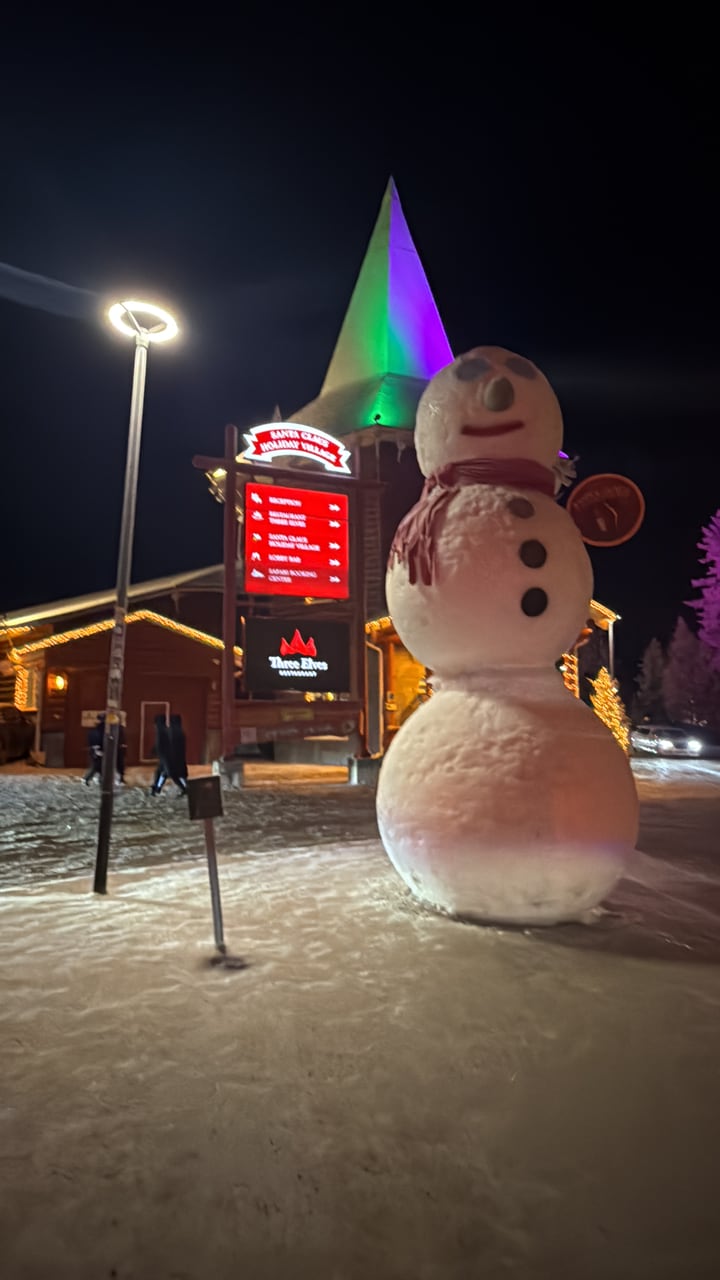
Santa Village snowman used as December family trip-shape planning context

A short December family trip works when Santa Village is the protected day anchor and the first night stays light unless arrival, clothing, dinner, and pickup timing are already solved.

Use this when

  • Families using Rovaniemi for Santa atmosphere rather than a long activity checklist.
  • Travelers who can book the Santa-led anchor before adding a second paid experience.
  • Trips where accommodation and transfers are chosen around family logistics, not only photos.

Avoid when

  • The first flight lands too late for dinner, check-in, clothing, and a calm evening.
  • Every day already has multiple paid commitments and no warm recovery window.
  • Santa Village is being squeezed between unrelated activities instead of anchoring the trip.

Day sequence

  1. Arrival evening

    Keep the first evening for transfer, food, clothing setup, and sleep unless every pickup and check-in step is confirmed.

    Protect
    Dinner, warm clothing, luggage, and a simple next morning.
    Verify
    Finavia timing, transfer route, accommodation check-in, and any operator pickup rule.
  2. Santa anchor day

    Use Santa Village as the main commitment and keep the second activity nearby, optional, or easy to drop.

    Protect
    Santa timing, queues, toilets, indoor warmth, meals, and child pace.
    Verify
    Santa Claus Office hours, Santa Village context, local bus or transfer timing.
  3. Flexible winter day

    Place the highest-value winter activity here, after the family has adjusted to cold, darkness, and local rhythm.

    Protect
    One paid winter experience with enough recovery around it.
    Verify
    Activity availability, clothing terms, pickup point, weather, and cancellation rules.

Booking rules

  • Book the Santa anchor first, then remove anything that fights the family pace around that day.
  • Do not make the first night carry the trip promise unless arrival logistics are already stable.
  • Upgrade transfers only when they remove cold-weather waiting or multiple family transfer steps.

Verify before booking

  • Santa Claus Office and Santa Village opening hours for the exact dates.
  • Finavia arrival timing, accommodation check-in, transfer route, and luggage plan.
  • Visit Rovaniemi activity availability, pickup points, clothing rules, and weather exposure.
Planner signal

Reduce the December day load: Christmas peak, cold, darkness, and children or slower pacing need fewer hard commitments and pre-booked Santa windows.

Official sources5 sources · Checked 2026-06-07
4-night aurora

Four nights for aurora chances without making one sky do all the work

4 nights
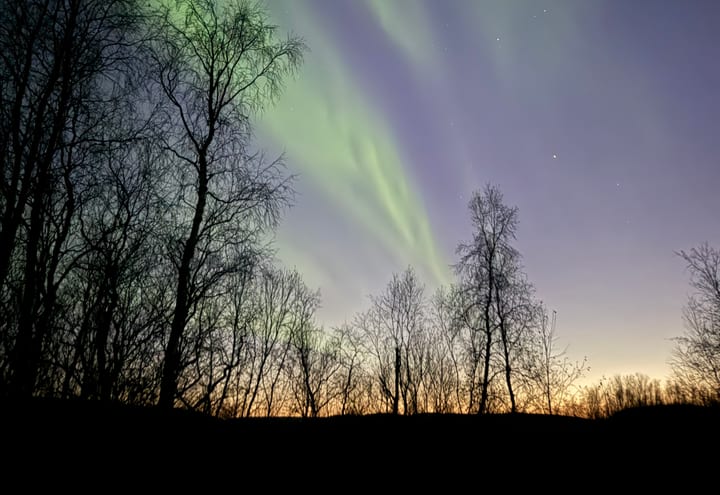
Aurora sky over Nordic trees used as Rovaniemi aurora trip-shape planning context

An aurora-led Rovaniemi trip becomes more credible when it protects at least two possible night attempts and keeps daytime winter value strong if cloud or weak activity blocks the sky.

Use this when

  • Travelers who can stay long enough to protect multiple possible aurora evenings.
  • Adults or older families who understand that weather can override the booking.
  • Trips that still feel useful because daytime winter activities and city logistics work.

Avoid when

  • The itinerary sells one night as the whole reason to travel.
  • Late arrival, clothing pickup, and dinner collide with the first aurora attempt.
  • The next morning has a fragile paid activity after a very late night.

Day sequence

  1. Arrival and setup

    Do not use arrival night as the main aurora attempt unless transfer, food, clothing, and pickup timing are already solved.

    Protect
    Sleep, clothing readiness, phone battery, and a usable first full day.
    Verify
    Arrival time, accommodation location, operator pickup, and FMI weather.
  2. First aurora window

    Use the first stable evening as a real attempt, but keep the second dark night protected before paying for too much else.

    Protect
    Backup night and daytime value if cloud blocks the sky.
    Verify
    FMI cloud, local weather, aurora space-weather signals, and operator cancellation terms.
  3. Daytime value day

    Choose a winter activity that makes the trip worthwhile even if the aurora attempt fails.

    Protect
    A Lapland day that is not dependent on nighttime conditions.
    Verify
    Activity availability, pickup reach, clothing, duration, and return timing.
  4. Second aurora window

    Use the clearer or more promising night for the stronger attempt after checking live weather and sky signals.

    Protect
    Flexibility to move the attempt without breaking departure or the final morning.
    Verify
    FMI weather, aurora signals, road conditions, return time, and cancellation rules.

Booking rules

  • Book aurora as a chance with backup nights, not as a sighting promise.
  • Keep at least one daytime anchor strong enough to carry the trip if the sky fails.
  • Read late-return and cancellation rules before stacking early-morning commitments.

Verify before booking

  • Visit Finland aurora framing and FMI aurora or weather signals before aurora-led claims.
  • Operator pickup, clothing, duration, rebooking, and cancellation terms.
  • Whether the accommodation location supports late-night return and next-day recovery.
Planner signal

Add backup nights: cloud risk makes a single-night aurora promise weak; build multiple chances and daytime winter value into the plan.

Official sources5 sources · Checked 2026-06-07
Late arrival

Late arrival plus two base days without wasting the first night

2-3 nights
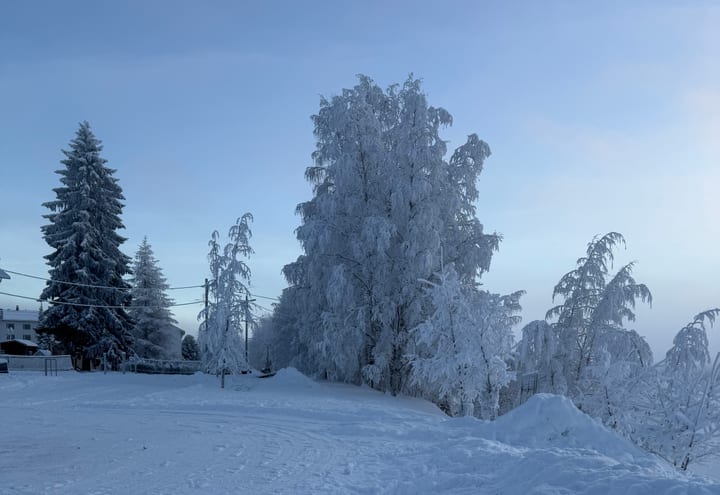
Snow trail used as Rovaniemi late-arrival pacing context

A late-arrival Rovaniemi trip should treat the first evening as logistics protection, then place the highest-value activity on a base day after transport, clothing, food, and sleep are stable.

Use this when

  • Travelers landing or arriving by train too late for a reliable first outdoor plan.
  • Short stays that need one strong base day instead of a compressed first night.
  • Trips where airport, railway, hotel, clothing, and pickup timing are not fully known yet.

Avoid when

  • The first paid tour starts before check-in, dinner, or clothing collection can realistically happen.
  • Accommodation is outside normal pickup rhythm and transfer details are not confirmed.
  • The plan assumes a delayed flight or train will not affect the evening.

Day sequence

  1. Late arrival

    Use the first evening for transfer, food, check-in, clothing, and a short low-commitment city reset.

    Protect
    The next morning and the first real paid activity.
    Verify
    Finavia or VR timing, transfer options, hotel check-in, and winter clothing access.
  2. First base day

    Place the main Santa, aurora, or winter activity after the arrival logistics are stable.

    Protect
    One strong trip reason that does not depend on arrival night going perfectly.
    Verify
    Operator pickup, activity timing, weather exposure, and cancellation terms.
  3. Second base day or departure

    Use the second base day for the backup night or softer activity; if departing, keep the morning simple.

    Protect
    A clean departure path and enough buffer after late-night plans.
    Verify
    Transport timing, luggage storage, pickup return time, and weather conditions.

Booking rules

  • Do not pay for first-night magic before solving the first-night logistics.
  • Put the highest-value activity on a base day, not inside the arrival-risk window.
  • Choose accommodation and transfers for friction reduction before cabin mood.

Verify before booking

  • Finavia flight or VR train timing for the exact arrival date.
  • Accommodation check-in, luggage, clothing pickup, dinner, and operator pickup point.
  • Weather and road conditions if any late-night activity leaves the city.
Planner signal

Ready after current checks: the month, focus, arrival, and pace fit this Rovaniemi plan.

Official sources4 sources · Checked 2026-06-07
March base days

March tour-heavy plan with daylight, pickup, and weather buffers

4 nights
Snow trail used as March tour-heavy Rovaniemi trip-shape planning context

March can carry more daylight and winter activity rhythm than peak December, but a tour-heavy plan still needs pickup density, clothing rules, weather checks, and recovery space between paid commitments.

Use this when

  • Travelers who want several winter activities without December family pressure.
  • Adults or older children who can handle multiple outdoor days with recovery time.
  • Trips where the base is chosen for pickup access, meals, and transport simplicity.

Avoid when

  • Every day has a different pickup point and no realistic transfer plan.
  • The plan assumes March is identical to December for every product or scene.
  • Accommodation is chosen only from a remote-cabin photo before activity access is confirmed.

Day sequence

  1. Arrival and orientation

    Use arrival to settle the base, confirm pickup points, and avoid committing the first night to the hardest tour.

    Protect
    A clean first full day and known pickup geography.
    Verify
    Airport or rail arrival, local transport, accommodation location, and meal options.
  2. Primary winter activity

    Place the most important tour after pickup and clothing details are confirmed.

    Protect
    The activity that most defines the trip, with weather and recovery margin.
    Verify
    Visit Rovaniemi activity context, operator availability, clothing, duration, and weather.
  3. Flexible snow or city day

    Use a lighter day to absorb weather, tiredness, or schedule movement before the next paid commitment.

    Protect
    Energy, daylight, meals, and the ability to move a tour if needed.
    Verify
    FMI weather and any same-day operator timing changes.
  4. Second major activity

    Book the second major activity only when transfer and return timing will not break departure or sleep.

    Protect
    Return path, departure buffer, and enough recovery after outdoor exposure.
    Verify
    Pickup, return time, cancellation terms, and airport or rail departure timing.

Booking rules

  • Use March daylight to improve pacing, not to overload the schedule.
  • Choose the base from pickup access and meals before choosing from mood photos.
  • Keep one flexible block between major paid outdoor commitments so weather or fatigue can move without breaking the stay.

Verify before booking

  • Visit Rovaniemi activity pages for exact-date operation and operator context.
  • FMI Rovaniemi weather before outdoor exposure or long transfer assumptions.
  • Finavia, VR, or local transport timing when tours depend on arrival or departure day.
Planner signal

Ready after current checks: the month, focus, arrival, and pace fit this Rovaniemi plan.

Official sources5 sources · Checked 2026-06-07
Summer gateway

Summer Rovaniemi as a Lapland gateway, not a winter substitute

3-5 nights

A summer Rovaniemi plan should be built around nature, light, access, road or rail movement, and city services instead of borrowing winter-only aurora, snow, or Santa-heavy assumptions.

Use this when

  • Travelers choosing Rovaniemi for Lapland access, nature days, and summer movement.
  • Itineraries that use the city as a practical base or gateway before a wider Lapland route.
  • Trips that verify summer-specific activities instead of recycling winter product copy.

Avoid when

  • The itinerary uses aurora language without dark-season planning logic.
  • Winter photos or snow-led products are doing the work of summer evidence.
  • Long transfer days look simple on the map but leave little actual time in place.

Day sequence

  1. Arrival and base decision

    Decide whether Rovaniemi is the main base, gateway, or first stop before filling the itinerary with day movement.

    Protect
    Transport realism and enough time in the place being sold.
    Verify
    Finavia, VR, local transport, accommodation location, and route timing.
  2. Nature or activity day

    Choose summer-specific activities or nature time that fits weather, daylight, and transfer assumptions.

    Protect
    A trip reason that is honestly summer, not a winter promise in different packaging.
    Verify
    Visit Rovaniemi summer activity context and current weather.
  3. Gateway movement or soft day

    Use the next day for wider Lapland movement only if the route does not consume the whole stay.

    Protect
    Energy, road or rail timing, meals, and the value of staying in Rovaniemi.
    Verify
    VR, Finavia, local buses, weather, and route-specific provider terms.

Booking rules

  • Frame summer as its own trip shape, not as a cheaper version of winter Rovaniemi.
  • Verify summer operations before using winter activity categories as planning evidence.
  • Use Rovaniemi as a gateway only when the onward movement improves the trip rather than diluting it.

Verify before booking

  • Visit Rovaniemi destination and activity pages for summer-specific operations.
  • Finavia, VR, and local transport timing when the trip depends on Rovaniemi as the access point.
  • Current weather and route assumptions before committing to long outdoor or transfer days.
Planner signal

Verify before booking: aurora, cloud, weather, airport arrivals, Santa hours, local buses, and tour slots must be checked first.

Official sources5 sources · Checked 2026-06-07
Next action

After the sequence works, test the assumptions.

Use these shapes to remove impossible day loads, then run the Rovaniemi planner and the before-booking checks before paying. Re-check official weather, transport, Santa hours, and activity terms. For broader Lapland planning, continue with the Premier Nordics planner.