Month guide

Choose the month before the itinerary.

Rovaniemi changes by month. The right plan depends on whether the trip is selling Santa atmosphere, aurora chances, snow rhythm, summer nature, or a practical Lapland gateway.

Month groups 6
Source checked 2026-06-07
Use Trip-fit check
December peak

December: Santa pressure and Christmas atmosphere

December
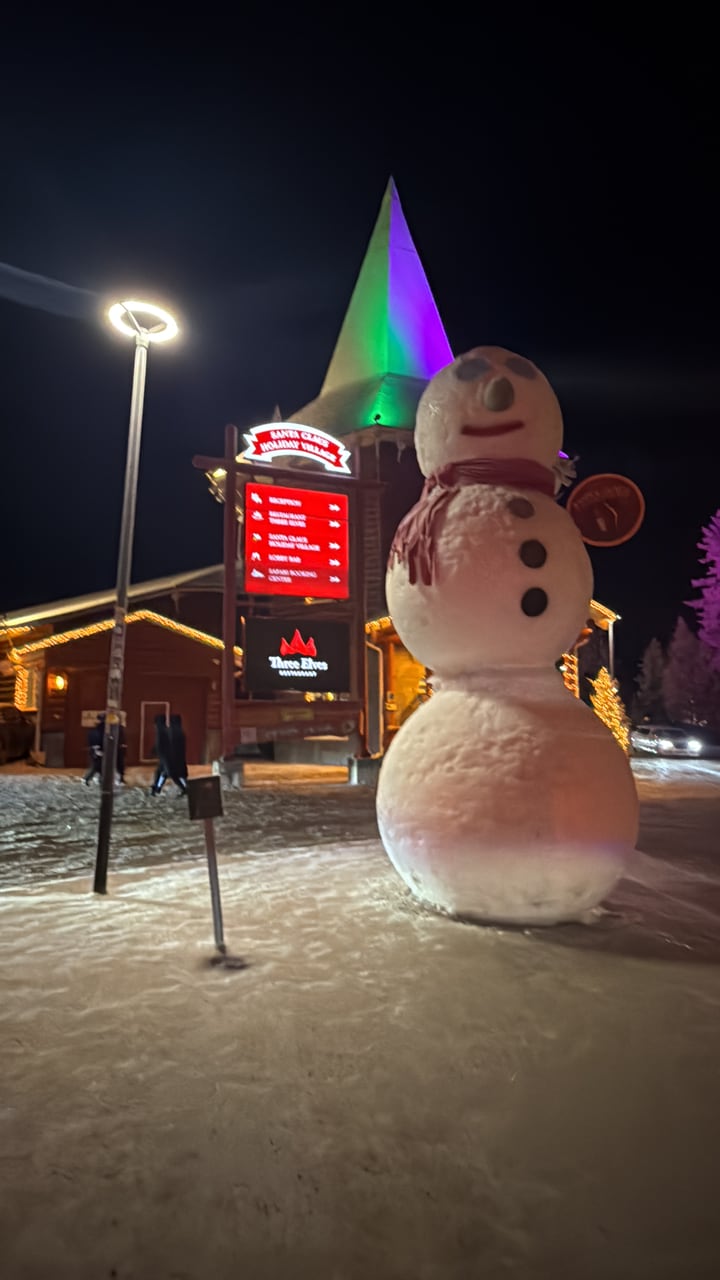
Snowman at Santa Claus Village used as December Rovaniemi planning context

December is the strongest Santa and Christmas atmosphere month, but it is also where queues, sell-outs, darkness, cold, meal windows, and arrival timing most easily overload the plan.

Best when

  • Santa Village is the main reason for the trip.
  • Families who prefer one protected day anchor over a crowded checklist.
  • Travelers who can book key timed windows before the best slots disappear.

Watch for

  • Sold-out tours or awkward leftover time slots.
  • First-night activity pressure after flights, luggage, clothing, and dinner.
  • Too many outdoor commitments without warm breaks or indoor recovery.

Booking logic

  • Protect the Santa-led anchor first, then build the day around meals, clothing, queues, and transfer friction.
  • Treat every second activity as optional until exact hours, pickup points, and child pace are confirmed.
  • Use December as an atmosphere decision, not as permission to fit every winter product into the same stay.

Verify before booking

  • Santa Claus Village and Santa Claus Office opening hours for the exact dates.
  • Activity availability, pickup points, clothing terms, and cancellation rules before payment.
  • Airport arrival timing, transfer route, dinner window, and hotel check-in before any first-night tour.
Planner signal

Reduce the December day load: Christmas peak, cold, darkness, and children or slower pacing need fewer hard commitments and pre-booked Santa windows.

Official sources4 sources · Checked 2026-06-07
Deep winter

January and February: darkness, cold, and backup nights

JanuaryFebruary
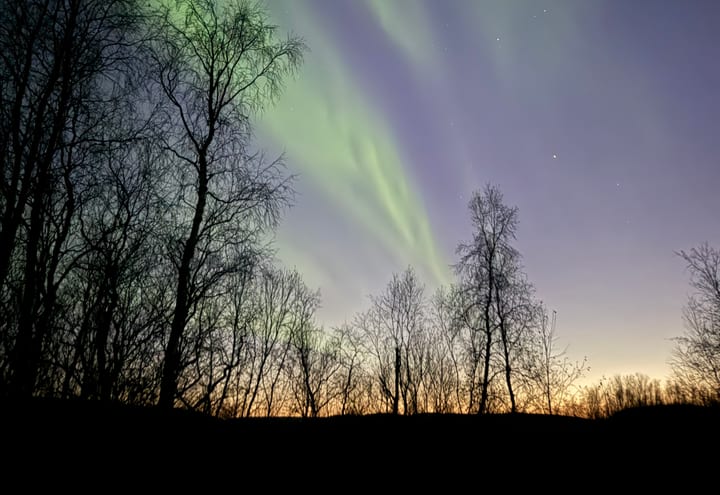
Aurora over a Nordic tree line used as deep-winter Rovaniemi planning context

January and February can support dark-season aurora planning and deep winter atmosphere, but the plan should carry backup nights, weather checks, realistic cold exposure, and daytime value.

Best when

  • Aurora-first travelers who can build more than one possible night.
  • Adults or families who accept cold-weather pacing instead of a packed schedule.
  • Trips that value snow atmosphere even if the sky does not perform.

Watch for

  • Cloud cover, weak aurora activity, and single-night expectations.
  • Late tours that break the next morning's paid activity.
  • Cold exposure, clothing setup, and remote pickup assumptions.

Booking logic

  • Place the strongest aurora attempt after arrival logistics are stable, not on the most fragile first evening.
  • Keep a daytime reason for the trip so the stay still works when cloud or snow blocks the sky.
  • Read cancellation, rebooking, pickup, clothing, and return-time terms before treating an aurora tour as the main product.

Verify before booking

  • FMI local weather and aurora space-weather signals close to travel.
  • Visit Finland seasonal aurora framing before promising the trip around northern lights.
  • Operator pickup, clothing, duration, and rebooking terms for every night attempt.
Planner signal

Add backup nights: cloud risk makes a single-night aurora promise weak; build multiple chances and daytime winter value into the plan.

Official sources4 sources · Checked 2026-06-07
Spring snow

March: more daylight with winter still in the plan

March
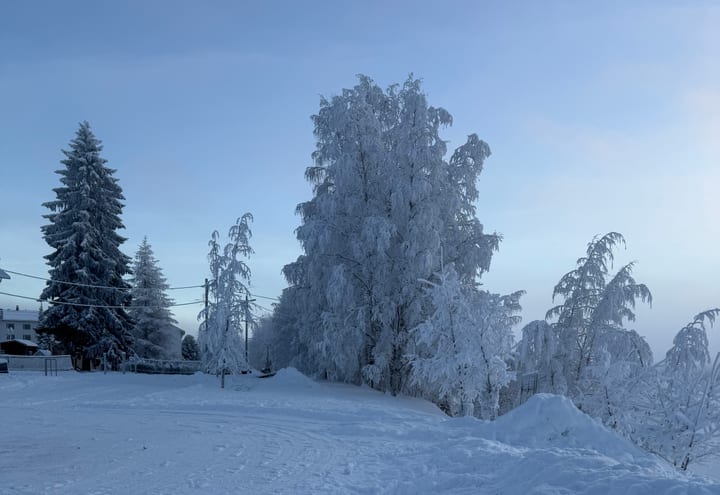
Snow trail used as March Rovaniemi pacing and activity-planning context

March usually changes the planning logic toward more daylight and winter activity rhythm, but the trip still needs weather, snow-condition, availability, and transfer checks before it becomes payable.

Best when

  • Travelers who want winter activities with less Christmas peak pressure.
  • Families who benefit from more daylight and a calmer day structure.
  • Tour-heavy trips that still need practical pickup and clothing checks.

Watch for

  • Assuming every winter scene or activity is identical to December.
  • Booking remote accommodation before transfer and meal logistics are clear.
  • Overloading daylight because the month feels easier than deep winter.

Booking logic

  • Use the extra daylight to improve pacing, not to add too many paid commitments.
  • Confirm which activities operate on the exact dates before selling March as a simple winter substitute.
  • Choose the base around pickup density, meals, and transfer friction before cabin mood.

Verify before booking

  • Visit Rovaniemi activity categories and current operator details for the selected dates.
  • FMI Rovaniemi weather before outdoor exposure, driving, or long transfer assumptions.
  • Airport, rail, or local transport timing when arrival day is expected to carry a tour.
Planner signal

Ready after current checks: the month, focus, arrival, and pace fit this Rovaniemi plan.

Official sources4 sources · Checked 2026-06-07
Shoulder season

April and May: do not borrow winter promises blindly

AprilMay
Snow path used as shoulder-season Rovaniemi planning context

April and May need careful framing because late-spring conditions, activity operations, snow assumptions, and traveler expectations can diverge from the classic winter Rovaniemi image.

Best when

  • Flexible travelers who are not buying a fixed Christmas or aurora promise.
  • Itineraries that can switch between city, nature, and lighter activity choices.
  • Travelers willing to verify every operator and condition claim before payment.

Watch for

  • Using December photos to sell a different season.
  • Assuming snow-led products operate the same way across spring dates.
  • Treating daylight as a reason to ignore weather or transport friction.

Booking logic

  • Frame the trip around current conditions and operating dates, not a winter postcard from another month.
  • Keep the activity plan flexible until operators confirm the exact product, pickup, and cancellation terms.
  • Use Rovaniemi as a practical base only when arrivals, meals, transfers, and activity windows still line up.

Verify before booking

  • Visit Rovaniemi and activity pages for current spring operations on the exact dates.
  • FMI Rovaniemi weather before planning outdoor time, road movement, or cold exposure.
  • Finavia, VR, or local transfer timing when spring itineraries depend on arrival-day movement.
Planner signal

Verify before booking: aurora, cloud, weather, airport arrivals, Santa hours, local buses, and tour slots must be checked first.

Official sources4 sources · Checked 2026-06-07
Summer nature

June to August: nature and access, not aurora

JuneJulyAugust

Summer Rovaniemi should be framed around nature, city services, road trips, events, and Lapland access rather than northern lights or winter-only products.

Best when

  • Travelers choosing Lapland access without a winter or Santa-first promise.
  • Trips built around nature, light, road movement, and city services.
  • Itineraries that can verify summer-specific activities instead of reusing winter copy.

Watch for

  • Aurora language on a trip that is not built for darkness.
  • Winter-only products, clothing assumptions, or snow imagery used as proof.
  • Long transfer days that look easy on a map but weaken the actual stay.

Booking logic

  • Sell summer as its own trip shape, not as a cheaper or easier version of winter Rovaniemi.
  • Check which activities operate in summer before building the itinerary around a winter directory memory.
  • Use rail, airport, and road logistics to decide whether Rovaniemi is the right base or only the gateway.

Verify before booking

  • Visit Rovaniemi destination and activity pages for summer-specific operations.
  • Finavia and VR timing when the trip depends on Rovaniemi as the access point.
  • Current weather and route assumptions before committing to long outdoor or transfer days.
Planner signal

Verify before booking: aurora, cloud, weather, airport arrivals, Santa hours, local buses, and tour slots must be checked first.

Official sources4 sources · Checked 2026-06-07
Autumn to early winter

September to November: aurora chance before full winter certainty

SeptemberOctoberNovember
Aurora sky over the Nordic tree line used as autumn Rovaniemi planning context

September to November can support dark-season aurora thinking once the nights work, but winter scenery, Santa pressure, snow conditions, and operator availability should not be assumed.

Best when

  • Aurora-curious travelers who can keep expectations flexible.
  • Trips that value shoulder-season availability and lower-pressure pacing.
  • Travelers prepared to verify whether the desired winter products are actually operating.

Watch for

  • Borrowing December Santa or snow assumptions before the source checks support them.
  • Single-night aurora promises without cloud and weather backup.
  • Tours or transfers that do not yet match the winter-season pattern.

Booking logic

  • Separate the aurora darkness question from the snow, Santa, and winter-activity questions.
  • Keep backup nights visible and avoid making the first evening carry the aurora promise.
  • Use current activity and weather checks before deciding whether the trip should stay Rovaniemi-based.

Verify before booking

  • Visit Finland aurora guidance and FMI weather or space-weather signals before aurora-led claims.
  • Visit Rovaniemi activity pages for autumn or early-winter product availability.
  • Arrival and transfer timing before adding late-night aurora attempts.
Planner signal

Add backup nights: cloud risk makes a single-night aurora promise weak; build multiple chances and daytime winter value into the plan.

Official sources4 sources · Checked 2026-06-07