
Before booking

Make the trip payable only after these checks hold.

Use this checklist after choosing a rough Rovaniemi idea and before paying for flights, rooms, tours, or transfers. Each check connects the trip promise to official sources, month logic, trip shapes, decision guides, and operator-risk inventory.

Checks 6
Source checked 2026-06-07
Use Before payment
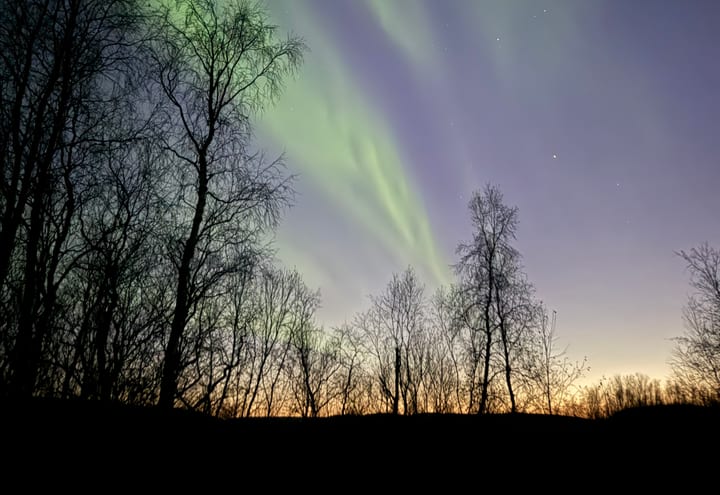
Aurora over a Nordic tree line used as Rovaniemi aurora planning context
Aurora backup nights
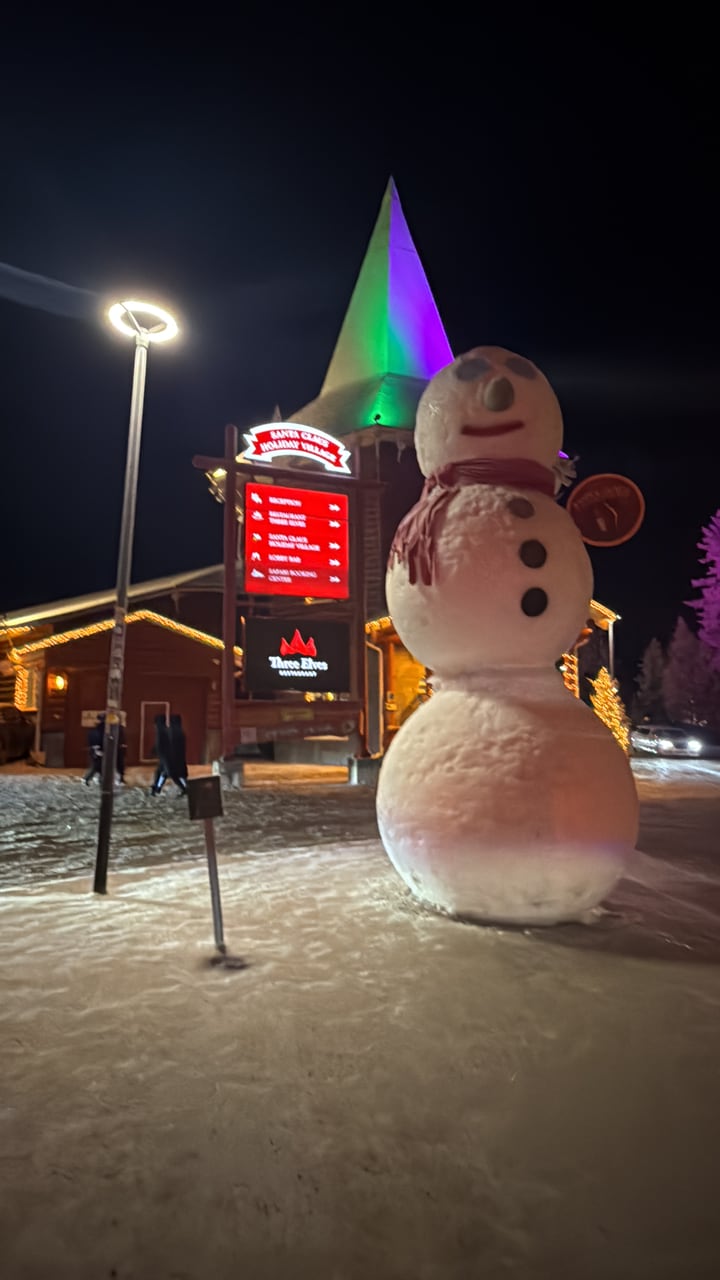
Santa Village snowman used as family pacing context in Rovaniemi
Santa day pacing
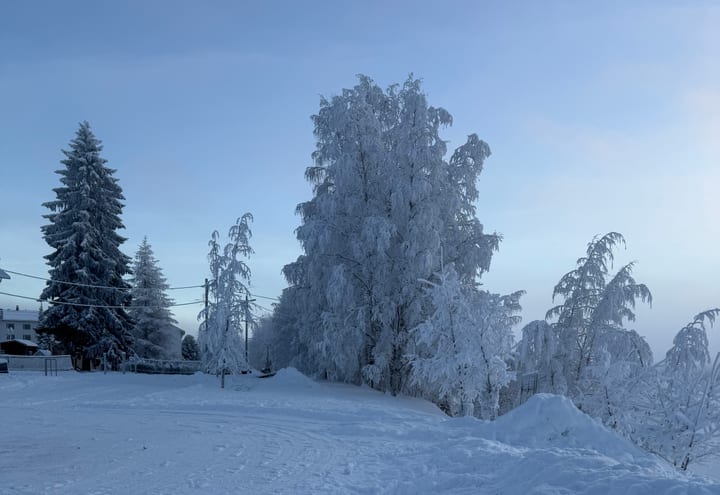
Snow trail used as Rovaniemi winter transfer and pacing context
Snow and transfers
Month promise

The month supports the trip promise

Before payment

A Rovaniemi plan should not become payable until the selected month can honestly support the promise being sold. December, deep winter, spring snow, summer nature, and autumn aurora planning each need different evidence before the itinerary is treated as ready.

Proceed when

  • The traveler can state whether the trip is primarily Santa, aurora, family winter, tour-heavy snow, summer nature, or gateway logistics.
  • The selected month group supports that promise without borrowing assumptions from a stronger season.
  • The planner result, month guide, and source inventory point to the same booking readiness before payment.

Stop when

  • The trip sells December atmosphere, winter snow, or aurora probability while the selected dates belong to a weaker operating window.
  • The plan depends on a single visual promise instead of source-backed checks for weather, darkness, hours, and availability.
  • The traveler would be disappointed if the headline promise softens and there is no second reason to choose Rovaniemi.

Verify before payment

  • Check the exact month group, Visit Rovaniemi destination context, Santa timing if relevant, and current FMI weather before payment.
  • Use Visit Finland aurora guidance only as seasonal framing, then check FMI weather and space-weather signals close to travel.
  • Run the planner with the actual month, trip focus, arrival plan, pace, and source status before confirming the itinerary.
Official sources 4 sources · Checked 2026-06-07
First logistics

Arrival night is logistics before magic

Before payment

The first evening can carry atmosphere only after flight or rail timing, luggage, check-in, winter clothing, dinner, and pickup points are solved. A strong Rovaniemi plan protects arrival night before adding a paid outdoor commitment.

Proceed when

  • Flight or train timing leaves enough margin for transfer, luggage, check-in, food, clothing, and meeting-point control.
  • The first paid activity starts after the traveler can realistically reach pickup with warm clothing and a stable meal plan.
  • There is a lighter fallback if the arrival runs late, luggage slows down, weather changes, or the group needs sleep.

Stop when

  • The itinerary books first-night aurora, snowmobile, or long outdoor activity before the traveler controls clothing and food.
  • Accommodation is selected without checking whether pickup points, airport transfers, rail arrival, and dinner still work.
  • The next morning is also tightly booked, leaving no recovery if the arrival sequence drains the first night.

Verify before payment

  • Check Finavia or VR timing, local transport assumptions, accommodation access, operator pickup point, and clothing setup before payment.
  • Ask the operator where pickup happens, when return is expected, and whether late arrival or missing clothing changes eligibility.
  • Keep the first night light in the planner when any airport, rail, luggage, dinner, or clothing assumption is not confirmed.
Official sources 4 sources · Checked 2026-06-07
Santa day

Santa Village is the anchor, not a squeezed stop

Before payment

A family Santa plan works when Santa Village has a protected day shape around opening hours, transfers, meals, toilets, indoor warmth, and child pace. It becomes fragile when it is squeezed between unrelated paid commitments.

Proceed when

  • Santa Village timing is the main anchor, with enough space for queues, meals, photos, warmth, and low-pressure movement.
  • Transfers between city, airport, accommodation, and Santa Village are simple enough for the ages and mobility in the group.
  • Any second paid activity fits after seeing the real cold-weather pace, not because it fits on paper.

Stop when

  • The plan treats Santa Village as a quick checklist stop between several timed tours and meal reservations.
  • The family day has no indoor reset, food plan, toilet margin, or way to simplify if queues or cold build pressure.
  • The itinerary depends on Santa hours, local bus timing, and operator pickup but none has been checked for the exact date.

Verify before payment

  • Check Santa Claus Village and Santa Claus Office hours for the exact date before paying for surrounding commitments.
  • Confirm local transport or transfer timing, meal plan, warm-up points, and whether the day still works if queues are slower.
  • Use the December family trip shape when the Santa day is the emotional center of the journey.
Official sources 4 sources · Checked 2026-06-07
Aurora plan

Aurora needs backup nights and a daytime reason

Before payment

A Rovaniemi aurora plan is strongest when it treats northern lights as a weather-sensitive attempt, not a guaranteed product. The trip needs backup dark windows, cancellation clarity, and a daytime reason to feel worthwhile even under clouds.

Proceed when

  • The itinerary protects at least two suitable dark windows instead of making one night carry the full promise.
  • Weather, cloud, exposure, late-return, cancellation, and rebooking terms are part of the booking decision.
  • The traveler has daytime value in Rovaniemi even if the sky never opens during the paid window.

Stop when

  • The trip sells a one-night aurora promise without backup dates, weather awareness, or a non-aurora reason to travel.
  • The aurora attempt sits after weak arrival logistics or before an early morning that cannot absorb a late return.
  • The operator promise is being used as a substitute for checking seasonal guidance, FMI weather, and current sky risk.

Verify before payment

  • Use Visit Finland aurora guidance for seasonal framing, then check FMI space-weather and Rovaniemi weather close to travel.
  • Read pickup, clothing, late return, cancellation, rebooking, and minimum-participant terms before payment.
  • Use the aurora winter trip shape when northern lights are important enough to protect two dark windows.
Official sources 4 sources · Checked 2026-06-07
Operator terms

Operator details are checked before the itinerary is sold as real

Before payment

Activity categories can show what Rovaniemi can support, but they do not settle exact-date availability, pickup reach, clothing, duration, cancellation terms, weather movement, or child suitability. The operator layer must be checked before payment.

Proceed when

  • The plan uses destination activity pages for discovery, then checks the operator-specific terms for the exact date.
  • Pickup point, return time, clothing inclusion, group size, child rules, mobility limits, and cancellation terms are known.
  • The booking still works if one operator changes timing, because the trip shape has a buffer or a substitute window.

Stop when

  • The itinerary treats an activity directory as live inventory, price confirmation, pickup guarantee, or quality ranking.
  • Several paid activities are stacked without checking whether clothing setup, return time, and transfers conflict.
  • Weather-sensitive activities are sold as fixed commitments even though terms, movement options, and refunds are unclear.

Verify before payment

  • Use Visit Rovaniemi activity context to identify categories, then confirm exact availability and terms with the operator.
  • Ask where pickup is, what clothing is included, what happens in poor weather, and when cancellation or rebooking applies.
  • Use the source inventory to keep operator claims separate from official transport, weather, Santa, and destination facts.
Official sources 4 sources · Checked 2026-06-07
Base choice

The base reduces friction instead of creating hidden transfers

Before payment

Rovaniemi is useful when airport, rail, Santa Village, services, meals, and activity pickup density solve real trip problems. It is weaker when accommodation mood creates extra transfers, unclear meals, or long winter movement before the core promise is protected.

Proceed when

  • The chosen base makes the main promise easier by reducing transfer friction, meal uncertainty, and pickup complexity.
  • Remote-feeling accommodation is selected only after access, meals, winter roads, and operator reach are clear.
  • Rovaniemi is deliberately used as main base, gateway, or short stop rather than assumed to fit every Lapland plan.

Stop when

  • The accommodation photo is chosen before airport transfer, rail arrival, pickup reach, meal access, and winter road assumptions.
  • The plan wants quiet remoteness but still depends on frequent city services, Santa Village timing, or operator pickups.
  • A wider Lapland route uses Rovaniemi as a base without checking whether onward movement improves or dilutes the trip.

Verify before payment

  • Check Visit Rovaniemi destination context, airport and rail access, and local transport before committing to the base.
  • Map accommodation, Santa Village, pickup points, meals, and return paths on the same day sequence before payment.
  • Use the wrong-base decision guide when the trip depends on cabin mood, remoteness, or a wider Lapland route.
Official sources 4 sources · Checked 2026-06-07