Winter clothing

What to wear in Rovaniemi in winter: the layer system from -5 °C to -25 °C

Rovaniemi's winter temperature can swing from a mild -5 °C afternoon to a -25 °C cold snap within the same week, and the right clothing matters more than almost any other packing decision for the trip. This guide covers the three-layer system, what tour operators usually lend, and where the cold actually gets in first.

Reviewed2026-09-03
Sources checked2026-09-03
UseBooking guide
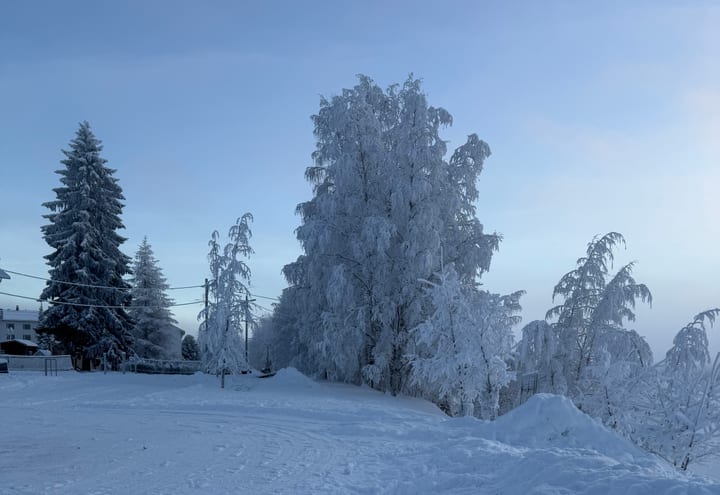
Snow-covered forest trail near Rovaniemi used for winter walking and husky routes
Key numbers

The facts that decide this trip

November
-4.4 °C daily mean, -6.7 °C average low, -27.9 °C record low
December
-7.7 °C daily mean, -10.6 °C average low, -32.9 °C record low
January
-10.3 °C daily mean, -13.5 °C average low, -38.1 °C record low
February
-10.3 °C daily mean, -13.3 °C average low, -35.0 °C record low
March
-5.6 °C daily mean, -9.1 °C average low, -27.5 °C record low
Outdoor tolerance for children
About 20 to 40 minutes before a warm break is needed
Phone and camera batteries
Drain fast below -15 °C; keep devices inside an inner jacket pocket

The three-layer system, from -5 °C to -25 °C

Rovaniemi winter clothing works best as three layers rather than one thick coat: a moisture-wicking base layer against the skin, an insulating mid layer such as fleece or wool, and a windproof, waterproof outer shell. Sweat trapped against the skin cools fast in the cold, so the base layer's job is to move moisture away rather than to add warmth by itself.

At the milder end of the range, around -5 °C, a single mid layer under a good outer shell is usually enough for someone moving around outside. Once the temperature drops toward -20 °C or -25 °C, add a second mid layer, a warmer hat that covers the ears, and mittens rather than gloves, since fingers share warmth better together than separated.

How cold it actually gets, month by month

The Finnish Meteorological Institute's 1991 to 2020 normals for Rovaniemi Airport give a clear picture of the range to pack for. November averages -4.4 °C with a -6.7 °C average low; December averages -7.7 °C with a -10.6 °C average low; January and February both average around -10.3 °C, with average lows of -13.5 °C and -13.3 °C; March eases back to -5.6 °C with a -9.1 °C average low.

Record lows show how far a cold snap can go even outside a typical week: -27.9 °C in November, -32.9 °C in December, -38.1 °C in January, -35.0 °C in February and -27.5 °C in March. Cold spells below -25 °C happen most winters, most often in January and February, so pack for the average and carry a plan for a sharper drop.

Where to stay

Where to stay for a cold-weather trip

None of these picks change what to pack, but a room with somewhere to dry wet gear and warm up between outdoor blocks makes the cold easier to manage. Compare the live total for your exact dates before booking.

Affiliate disclosure: the Stay22 comparison link is commercial. If you book through it, we may earn a commission at no extra cost. Providers control prices, payment, changes and refunds; the picks stay editorial.

  • City centreOriginal Sokos Hotel VaakunaA central hotel with a sauna, useful for warming up and drying gear after a day in -15 °C or colder.
  • City centreScandic Rovaniemi CityCentral family rooms with space to lay out wet layers between outdoor blocks.
  • Santa Claus VillageSanta Claus Holiday VillageCabins and suites inside the village, cutting the cold outdoor transfer time if most days start there.
Stay22 · live value comparisonFind best-value stays around RovaniemiCompare live totals, map position and cancellation terms for the exact dates.
Check live prices

What operators lend, and what they do not

Most husky, reindeer and snowmobile operators lend thermal suits and boots as part of the booking, which covers the bulky outer layer that is hardest to travel with. This is standard enough to expect, but it is not universal, so confirm it on the product page for the specific tour before assuming you can travel light.

The reviewed aurora tour is the clear exception: it provides no winter overalls at all, so anyone booking it needs to arrive already wearing enough to stand outside for stops across a 5 to 8 hour evening, or rent a suit in town beforehand. Warm drinks during the tour's stops help, but they do not replace a proper outer layer.

Feet and hands: where the cold gets in first

Feet and hands lose warmth before the rest of the body notices the cold, especially on activities where you sit still, such as a husky sled or a snowmobile behind someone else's driving. Insulated, waterproof boots with room for a thick wool sock matter more than an extra jumper, and toes that are already cold before you start outside rarely warm up on their own.

Mittens outperform gloves at the coldest end of the range, since fingers kept together share warmth, and a thin liner glove underneath makes it possible to handle a phone or a camera briefly without exposing bare skin. Pack a spare pair of both socks and gloves, since damp gear from one outing is far colder the second time it is worn.

Packing for children

Children cool down faster than adults and are less likely to say so before they are already uncomfortable, so plan for shorter outdoor blocks and warmer margins than an adult would need. As a rough guide, children last about 20 to 40 minutes outside before they need a warm break, which is worth building into the day rather than discovering on the move.

Pack a full spare set of base and mid layers for a child, not just spare mittens, since a wet inner layer from snow play is harder to fix on the move than a wet outer shell. A warm indoor stop, such as a cafe or the hotel room, resets the clock for the next outdoor block.

Renting overalls, and keeping batteries alive

If you did not pack for a -20 °C evening, renting a winter overall suit in town is a practical fallback, especially before an activity such as the reviewed aurora tour that does not provide one. Arrange this before the day it is needed rather than on the way to a 19:00 departure.

Phone and camera batteries drain fast below -15 °C, sometimes shutting down early even with charge remaining, so keep devices inside an inner jacket pocket close to the body rather than in an outer pocket or a bag. A portable charger kept warm the same way is worth carrying on any evening tour.

Experiences

Experiences to pack for

These are the reviewed Rovaniemi products on GetYourGuide. The aurora tour provides no overalls, while the husky and roughly 1-hour snowmobile safaris usually include thermal suits and boots; confirm each on its own product page.

Affiliate disclosure: GetYourGuide and Viator links are commercial. If you book through them, we may earn a commission at no extra cost. Providers control prices, operator terms, changes and refunds.

GetYourGuideNorthern Lights huntAn aurora-focused tour; confirm pickup, duration, cloud policy, inclusions, and cancellation terms.
Check on GetYourGuide
GetYourGuideHusky safariA daytime husky activity; confirm transfer, ride format, clothing, age rules, and animal-welfare details.
Check on GetYourGuide
GetYourGuideSnowmobile safariA snowmobile activity; confirm licence rules, insurance, clothing, passenger age, and transfer details.
Check on GetYourGuide
Practical questions

Questions travelers ask before booking

Answers use the sources listed below. Re-check live hours, weather and operator terms close to the travel date.

What is the best way to layer clothing for Rovaniemi winter?

Use three layers: a moisture-wicking base layer, an insulating mid layer such as fleece or wool, and a windproof, waterproof outer shell, adding a second mid layer as the temperature drops from about -5 °C toward -25 °C. This system works better than one thick coat, since you can adjust it through the day rather than overheating or underdressing.

Do Rovaniemi tour operators provide winter clothing?

Most husky, reindeer and snowmobile operators lend thermal suits and boots as part of the booking, though this varies, so confirm it on the product page for your specific tour. The reviewed aurora tour is an exception and provides no winter overalls at all.

Can I rent winter overalls in Rovaniemi if I did not pack for the cold?

Yes, renting a suit in town is a practical option if you did not pack for -20 °C or colder, and it is worth arranging before an evening activity such as the aurora tour that provides no overalls of its own.

How cold does it actually get in Rovaniemi in winter?

Daily means run from about -4.4 °C in November to around -10.3 °C in January and February, with average lows a few degrees colder again. Record lows go much further, down to -38.1 °C in January, and cold spells below -25 °C happen most winters, most often in January and February.

Why does my phone battery die faster in Rovaniemi?

Phone and camera batteries drain fast below -15 °C and can shut down early even with charge left, so keep devices inside an inner jacket pocket close to the body rather than in an outer pocket. A portable charger kept warm the same way helps on a long evening tour.

Sources

Where the numbers come from

Checked 2026-09-03. These sources support hours, distances, transport and climate facts; they do not guarantee prices, availability or operator terms.

Keep planning

Related Rovaniemi guides and tools

Aurora tours

Northern lights tours in Rovaniemi: what the guarantee covers and how to pick a format

The reviewed Rovaniemi aurora tour repeats free or refunds you if it misses the lights on camera, and is rated 4.8 out of 5 from 723 reviews.

Read the guide
Husky safaris

Husky safari in Rovaniemi: what changes with ride length, daylight and age

Choosing a Rovaniemi husky ride: daylight runs from about 2.5 hours on 21 December to nearly 11 h 43 min by 15 March, and how children usually ride.

Read the guide
January guide

Rovaniemi in January: how cold it gets, how dark it stays and when the crowds thin out

January in Rovaniemi by the numbers: a -10.3 °C daily mean, daylight growing from 3 h 51 min to 6 h 24 min, and shorter Santa Claus Office hours after 3 January.

Read the guide